Day 21 — Glenfarclas 12

Day 21 we got ourselves a classic today. Not too strong not too weak just a tasty refreshing dram. Let’s dig in.

Whisky

Country: Scotland

Age: 12 years

ABV: 43

Profile

A resolute adherence to maturation in ex-Sherry casks helps to produce a whisky which is rich, resonant and capable of extremely long ageing, itself aided by a somewhat cool microclimate which limits evaporation losses to 0.05% per annum (against an industry average of 2.5).Image
History

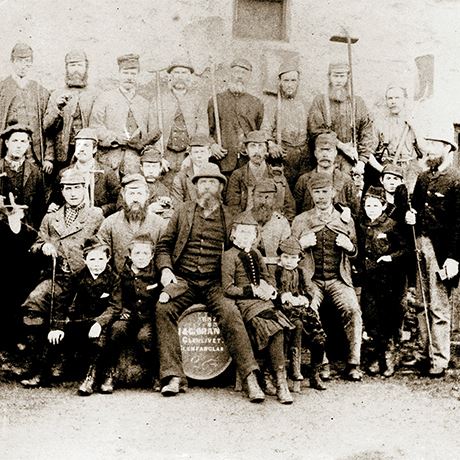
Glenfarclas means ‘valley of the green grass’, an indication of the richness of the pasture land which surrounds the distillery. Indeed, the distillery farm ran from the late 1790s until 1988. Like so many of the oldest sites, the farm buildings would have been pressed into service as a site for illicit distillation prior to the 1823 Excise Act. It took a further 13 years for original owner Robert Hay to take out a licence. When Hay died in 1865 his neighbour John Grant bought the distillery for £512. It has remained in his family’s hands ever since.

This continuity has allowed Glenfarclas to still reflect an older way of making whisky, but this willingness to retain tradition is not down to a romantic belief in the past. Glenfarclas is nothing if not a successful business.

As George Grant, sixth generation of the family says: “We have lived through 22 recessions. We make what we can afford to make, and never borrow money to make it.” During the 1980s, as the industry was cutting back on production, Glenfarclas’ was increasing. When an upturn in the market came eventually, it had the stock to sell. A balance between supplying stock for third-party blends and retention of a significant percentage for single malt bottlings has also resulted in Glenfarclas having more significant volumes of aged stocks than most distilleries. An aversion to independent bottlers using the distillery name on their (rare) offerings has also helped maintain a strong brand identity.

The retention of direct fire was done for quality reasons, not to please tourists or malt maniacs. Steam had in fact been tried in 1981, but the conclusion was that the guts went out of the new make spirit, and so direct fire went back in. After all, you need a rich distillate to be able to cope with the tannic structure and rich fruits of ex-Sherry casks.

Today, all the wood is sourced from Jerez cooper Miguel Martin and is a mix of butts and hogsheads, all ex-oloroso and made from European oak. The core range is aged in a mix of first-fill and refill. Tradition doesn’t mean a lack of innovation. Given the depth of stock, the most comprehensive of a single distillery in Scotland, in 2007 the firm released ‘The Family Casks’ – vintage releases from every year between 1952 and 1998. Today, the starting point of the range is 1954, which is no mean achievement.

Glenfarclas also claims to have pioneered the cask-strength bottling, when it launched its 105˚ in 1968, and was one of the first distilleries to open its doors to visitors (in 1973). This, and a long-term belief in single malt (rather than only selling fillings for blends) is now paying off.

In recent years an export-led strategy has seen it expand globally. It now sells in excess of 700,000 bottles annually – and at very keen prices. Glenfarclas, even at 30 years of age, represents some of the best value whisky around. The quality speaks for itself.


Glenfarclas 12 Years Highland Scotch Single MaltTasting Notes

Nose: Light, Some sherry in there, Coffee, Musty rumpusroom rug, Maple
Taste: Creamy mouthfeel, Vanilla, Brown sugar, Pears, Light sherry
Finish: Dry, Oaky, Green peppers, Chives, Butterscotch

Purchase Links

Strath Liquor — Glenfarclas 15 

Day 20 — Laird of fintry rum

Day 20 I picked out this whisky last spring and had planned to put it in this years calendar before winning the whisky lottery of Okanagan spirits this year so I just but in both. Besides there are not a lot of rum finished whiskies certainly not a WhiskyDev one in the works out there so it’s got that going for it. Let’s just dig in.

Whisky

Country: Canada

Age: 3 years

ABV: 42%


Laird of Fintry Rum Barrel Finish - Ratings and reviews - WhiskybaseTasting Notes

Nose: Odd Floral, Herb garden, Butterscotch
Taste: Fresh water, Musty wine cellar, Malty notes, Banana
Finish: Sweet, Light brown sugar, Lemon, Apple

Purchase Links

Okanagan Spirits

Day 19 — Lagavulin – Distillers edition

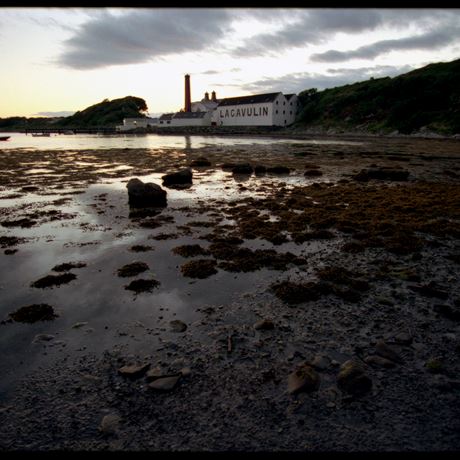
Day 19 as we start the final week it seems appropriate to have a distillery that looks like what I imagine a Vancouver Island distillery would. Seems like a good way to start the last week if you ask me. Let’s dig in.

Whisky

Country: Scotland

Age: NAS

ABV: 43

Profile

What actually happened was that Lagavulin became the runaway success, to the extent that it had to be put on Imageallocation. That its growth coincided with a period where mature stock was limited (the bad old days of the 80s and early 90s) didn’t help. Today, it runs 24 hours a day, seven days a week, just to try and keep up with ever-growing global demand. The world has fallen in love with smoke and Lagavulin’s complex mix of seashore and moor, pipe smoke, Lapsang Souchong, bog myrtle and rich dark fruits is a destination for many.

Though fermentation times have been cut, introducing a cereal note to the new make, the second distillation remains extremely long, maximising reflux. Ageing is predominantly in refill casks, but in recent years some ex-Sherry casks have appeared as part of a controlled programme of small batch releases, while a small amount of a higher strength 12-year-old is released annually for the real peat heads.

History

Founded on Islay’s south [Kildalton] coast and situated between Ardbeg and Laphroaig, legal distilling was started at Lagavulin in 1816 by John Johnston. A second distillery shared the site which was first bought by the same family in 1825, before production was absorbed into Lagavulin in 1837.

It came to wider public awareness in 1862 when blender John Logan Mackie bought the distillery. His nephew Peter J. Mackie made the first of many trips to Islay in 1878 to learn the secrets of distilling and eventually take over production of Lagavulin. Sir Peter Mackie, as he became, was one of the pre-eminent figures of late 19th century whisky. He created the White Horse blend in 1890, co-founded Craigellachie distillery and was noted as a great innovator.

In 1908, irritated by the loss of the agency for Laphroaig, Mackie built a replica distillery at Lagavulin which he called Malt Mill. It ran until 1962 and though it was set up to produce the same character as Laphroaig – which is only two miles away – it never did. Neither did it make Lagavulin. A (fictitious) cask of Malt Mill played a central role in film director Ken Loach’s comedy The Angel’s Share.

The distillery floor maltings shut in 1974. They now form the visitor’s centre and admin offices.


Lagavulin 2003 (bottled 2019) Pedro Ximénez Cask Finish - Distillers EditionTasting Notes

Nose: Terakki Jerky,petting zoo in a peat bog
Taste: Sweetened mud, delicious dirt
Finish: Earthy, Smores, Mud pie satisfaction, Soya sauce

Note: This smells and tastes like I think Liverpool or Birmingham probably smelled in earlyish 1900s (think: Peaky Blinders)

Purchase Links

Tutor house liquor

BC liquor

Day 18 — Tobermory 12

Welcome to day 18. Today we have another lesser tasted distillery for you. Again not sure why as Tobermory makes good whisky. If you’re a fan of peat you’re probably more aware of their peated offering Ledaig which again tasty. Let’s dig in.

Whisky

Country: Scotland

Age:  12

ABV: 46.3

Profile

In its current form, Tobermory Distillers Ltd has operated Mull’s only distillery since 1979, though its owners have changed multiple times over the years.Tobermory Distillery, Isle of Mull.jpg

Today the company is a non-trading arm of Burn Stewart Distillers. Tobermory distillery produces both the Tobermory and Ledaig single malts, the latter of which is heavily peated.

History

Mull’s only distillery has a patchy history beset with closures and name changes as it was passed around from owner to owner. Founded in 1798 by local kelp merchant John Sinclair, the distillery was one of the first to take out a distilling licence in 1823.

It was closed for 40 years from 1837 and eventually landed in the lap of the DCL, which had acquired the distillery’s owner, John Hopkins & Co., in 1916. But the distillery fell silent again soon after, and remained that way for another four decades.

In 1972 a Liverpool shipping company, along with Pedro Domecq and ‘Panamanian interests’ formed Ledaig Distillery (Tobermory) Ltd, and reopened the distillery as Ledaig. Despite the best of intentions, the group filed for bankruptcy just three years later and the site closed once more.

Eventually, in 1979, Tobermory Distillers Ltd. was established by Kirkleavington Property Co. to acquire the distillery, which it renamed Tobermory. Sadly its efforts to restablish Tobermory distillery failed, and the site closed yet again only three years later, its buildings transformed into holiday lets and cheese storage facilities.

It wasn’t until 1993 when Burn Stewart Distillers bought the distillery buildings and its remaining stock that Tobermory once more had a future ahead of it. Tobermory Distillers was incorporated as a limited company in the same year and the company invested heavily in bringing the distillery back into production once more.

Today Tobermory Distillers Ltd remains a non-trading subsidiary of Burn Stewart, which is now owned itself by South African wine and spirits group Distell.


Tobermory 12 Year OldTasting Notes

Nose: Distant seashore, Floral, Nuts, Wood but not lumber, A bit savory, Christmas spices, Leather
Taste: Brown sugar syrup,Warmth, Spices, Burnt sugar, Basil, Leather, Fresh tobacco
Finish: Dried Fruit, Wine gums, Cinnamon hearts, Cloves, Cigar ash, Dates

Purchase Links

Tudor house liquor

Strath Liquor

Day 17 — Edradour 10

Day 17. Today we have a older but lesser drunken whisky which seems strange given that almost everything they make is tasty.  Keeping today’s blurb short let’s just dig in.

Whisky

Country: Scotland

Age: 10

ABV: 40

Profile

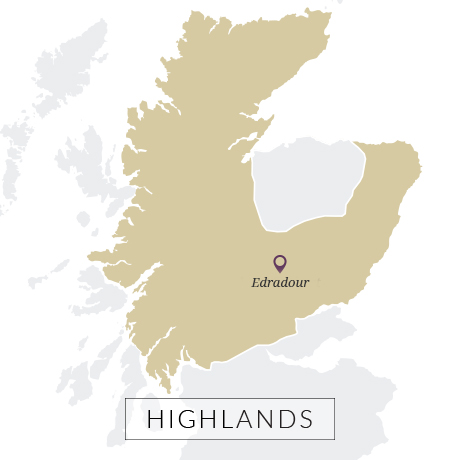
The low-slung farm buildings contain traditional equipment – mashing is in a one tonne, open-topped, rake and plough mash tun, the wort is cooled in a replica of an old ‘Morton’s refrigerator’, the washbacks are Mapwooden, the tiny stills lead into worm tubs.

The make is robust but fruity and since the Signatory takeover, ex-Sherry casks have been the preferred destination for the new make. A wide number of fortified wine and still wine casks have also been used for ‘finishing’. Ballechin, on the other hand, which is also produced at the distillery, is deemed to show itself better in ex-Bourbon casks.

History

Another of central Perthshire’s multiplicity of farm distilleries, Edradour started production at its current site in 1837, although one of the farmers who formed that original consortium, Duncan Forbes, had been legally distilling close by since 1825. The plentiful supplies of water, tight, hidden glens, and access to back roads into Perth, made this a prime area for moonshining, so it is entirely possible (even probable) that Forbes knew the intricacies of whisky-making before going legit.

It remained associated with the original grouping until 1933, when the Mackintosh family sold it as a (barely) going concern to the famous blending house of William Whiteley. Quite why Whiteley bought such a small distillery – it was Scotland’s tiniest for many years – has never been fully explained. The firm had built up a solid business in the US during Prohibition with its King’s Ransom blend, thanks to Whiteley’s appointment of none other than Mafia boss Frank Costello as his US sales representative. Five years later, Costello’s associate Irving Haim took over as Edradour’s owner, with Costello (and his firm) taking a share of sales of King’s Ransom. This slightly unusual arrangement lasted until Haim’s death in 1976.

In 1982 the distillery, once again in a bad state, was sold to Pernod Ricard subsidiary Campbell Distillers who immediately opened it to visitors. It continued to play a low-key role in blends until 1986, when it first appeared as a single malt.

In 2002, Pernod Ricard deemed it surplus to its requirements and it was sold to independent bottler Signatory Vintage. It was a perfect fit. Since then, Signatory has built extensive warehousing for its own casks, a bottling line, a tasting room and expanded production to include heavily peated variant Ballechin. One of the prettiest distilleries in Scotland, Edradour remains a major tourist attraction.


Edradour 10 Year Old Whisky - Master of MaltTasting Notes

Nose: Fake leather, Hayfield on a dewy morning, Bourbon Sharpie, Raisins, Sun-warmed dust
Taste: Lighter mouth feel, Grains, Stewed fruit, Brown sugar
Finish: Steel cut oats, Old Sweets, Memories of Bourbon, Cedar sauna, Something almost tart

Purchase Links

Tudor house liquor

BC liquor

Day 16 — Càrn Mòr – Ardmore

Welcome to day 16. Today’s offering is from Càrn Mòr by way of Ardmore as I feel this is a good representation of Ardmore. The notes below represent that and although no longer available I would recommend keeping a eye open at Strath Liquor for a similar offering. Let’s drink up.

Whisky

Country: Scotland

Age:  7 years

ABV: 57%

Profile

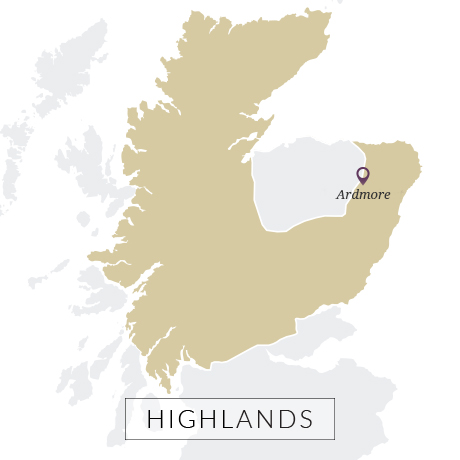
The peatiness (it comes across as woodsmoke) is balanced by a gentle apple/floral lift, the product of a regime which insists on clear wort and very long fermentation in wooden washbacks. The fires which once Mapraged under the stills added a heavy, mid-palate weight, as did the downward facing lyne arms. When the fires came out, the distillery team spent seven months creating new steam coils with kinks in them to replicate the ‘hot spots’ in the stills which had contributed this flavour.

Since the steam has come in, an unpeated variant [called Ardlair after a nearby stone circle] has also been made.

History

It was in 1898 that Adam Teacher, son of Glasgow blender William Teacher, decided that the family firm needed its own malt whisky distillery. The site he chose, on the outskirts of the village of Kennethmont in rural Aberdeenshire, was on land owned by family friend Col. Leith-Hay [whose seat Leith Hall is open to the public]. It had water, there was a source of peat nearby, and the immediate surroundings grew barley. As significantly, given the vision Teacher had for the site, the railway between Inverness and Aberdeen ran alongside. By putting in a small branch line he could get casks and cow in, and whisky out.

Ardmore has remained in the Teacher’s stable ever since, providing smoke and also top notes to a blend which still sells over a million cases globally (its main markets today are India and Brazil). The original pair of stills were doubled in 1955 and then doubled again in 1974. Two years later, it became part of the Allied Distillers stable – the same year as the distillery’s Saladin maltings stopped. Its stills remained coal-fed until 2001.

When Allied was dismembered in 2006, Teacher’s, Ardmore and Laphroaig went to Beam and in 2014 it became part of the new Beam Suntory portfolio.

Its importance for its blend has meant that Ardmore has never had a presence as single malt. A quarter cask-finished bottling appeared a couple of years after Laphroaig Quarter Cask, but remained a small-scale release.

It has however built up a small but dedicated following among single malt aficionados who seek out the independent bottlings which appear – those from Gordon & MacPhail and Signatory Vintage appear the most frequently.


Ardmore 7 Year Old 2011 - Strictly Limited (Càrn Mòr) Whisky - Master of MaltTasting Notes

Nose: Bonfire by tidepools, Light smoke, Licking a burnt beach fire log, Residual brine, Seaweed
Taste: Pepper, Shellfish, Earthy, Thyme honey
Finish: Seaside and smoke, Soap, Campfires and friendship

Purchase Links

None

Day 15 — Invergordon – Duncan Taylor 1990 Sherry Cask

Day 15 we have officially hit the mid point of the calendar. If you are here on Dec 15th 2020 then I tip my hat to you if not that is also fine 25 days of whisky is a hard press and sometimes difficult to schedule. All that said I have a tasty number today that will really help fuel you though the coming days. Let’s dig in and enjoy.

Whisky

Country: Scotland

Age: 28 years

ABV: 42.7%

Profile

Duncan Taylor & Co is an independent bottler with headquarters in the Aberdeenshire market town of Huntly. The firm is best known for its Black Bull range of blended Scotch whiskies with high malt contents, and for Smokin’, a blend of peated Islay, Speyside and grain whiskies. Additionally, malts are bottled in a number of different ranges, including Rarest of the Rare, which offers veteran single cask whiskies from ‘lost’ distilleries, and Dimensions, comprising single malts and grains matured for as long as 39 years.Image

One of the company’s most successful recent ventures has been the introduction of Octave bottlings – aged single malt and grain whiskies that have been matured for a secondary period in one-eighth size octave casks to achieve a broader character profile, without masking the original nature of the whisky.

In 2014 Duncan Taylor moved from its original Upper Kirkgate premises to a new and enlarged blending, warehousing and bottling facility developed within a former supermarket in nearby King Street.  Plans have been in place since 2007 for the firm to build its own distillery, based on a derelict mill, and site preparation work commenced in 2013.

History

The modern history of Duncan Taylor began in 2001 when former Glendronach distillery employee Euan Shand acquired the firm and its stocks of whisky, establishing the operation in his home town of Huntly.

Duncan Taylor had been founded in Glasgow in 1938 as a cask broker and trading company, amassing over time a remarkable portfolio of rare, aged casks of whisky, which have formed the core of Shand’s independent bottling operation.

The Black Bull brand also has 19th century origins, first being registered in 1864 by Dundee grocer and whisky blender George Willsher. Against the prevailing trends, he opted for a high strength product with a 50% malt content, and when Euan Shand resurrected the brand in 2009 he remained faithful to Willshier’s original principles.


Tasting Notes

Tasty

Purchase Links

Strath Liquor

Day 14 — Jefferson’s – Ocean Voyage 17

Day 14. If you’re a fan of bourbon I hate to break it to you but this is not your year. This is our one and only bourbon but it is a tasty one. I am a big fan of boats and whisky and this is a very interesting marriage of the two and it’s tasty. Let’s dig in.

Whisky

Country: USA

Age: 3 years

ABV: 43

Profile

Jefferson’s Bourbon is a Louisville, Kentucky-based brand of bourbon whiskey which is distilled, blended, and bottled in the US by Pernod-Ricard. The brand was first released in 1997.

Jefferson’s has used experimental blending and aging techniques, such as aging bourbon at sea, where wave action can affect the product’s development. It also produces a rye whiskey. Jefferson’s works in four step process for making bourbon which is: Distill, age, cut to proof and bottle putting more time and focus into the maturation process.

The Jefferson’s brand was initially applied exclusively to bourbon distilled by other companies. Jefferson’s acquired Kentucky Artisan Distillery in Crestwood, Kentucky. 25% percent of barrels warehoused for aging in 2017 were produced at Kentucky Artisan Distillery. The other 75% are produced by independent distilleries.

History

Jefferson’s Bourbon was launched in 1997 by Trey Zoeller, a native Kentuckian, and his father Chet Zoeller, a bourbon historian. He founded a company called McClain & Kyne after Zoeller’s past relatives, including an 8th generation grandmother arrested in 1799 for moonshining. McClain & Kyne was purchased by Castle Brands around 2005. Asked about the name, Zoeller reportedly said, “I had no marketing budget. I simply wanted a recognizable face associated with history and tradition.”

In June 2015, Castle Brands announced a 20% purchase of Copperhead Distillery Company, which owns and operates Kentucky Artisan Distillery.

The brand began with Jefferson’s Reserve, then expanded with the addition of Jefferson’s Presidential Select, and Jefferson’s Small Batch. Jefferson’s now produces several varieties of bourbon and rye, including some limited edition offerings.


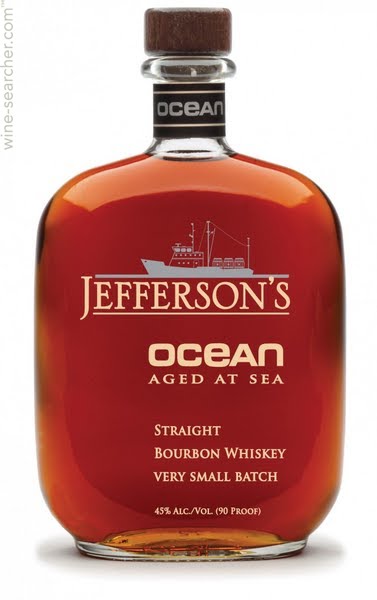
Jefferson's – Ocean Aged At Sea Bourbon Very Small Batch 750mlTasting Notes

Nose: Banana zucchini bread, Ice wine, Mint, Sugar cane
Taste: Dates, Tasty, Bike tyre, Soured mash, Light black pepper spice
Finish: Spice cake, Fancy candy that comes in a tin & is dusted with powdered sugar, Vanilla, Red cedar

Purchase Links

strath liquor

Day 13 — Tullibardine – The Murray

Welcome to day 13. I feel Tullibardine is a strange distiller some of their product can be so good and some of it so bad. Possibly the reason they are not that big. That said they make a lot more whisky than me so they are doing alright. Today’s dram is an example of some of their tastiness and is the first release from the Marquess collection. If this is what the collection is going to taste like I say bring it on.

Whisky

Country: Scotland

Age: 11 years

ABV: 56.1

Profile

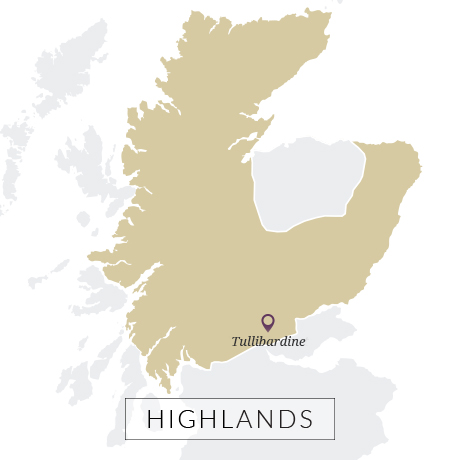
The requirements of a single malt house – which Tullibardine became – necessitated some tweaking of the spirit run (introducing more high-toned floral notes now coming to the fore, with the nuttiness being dialled Mapdown) and a more 21st century wood policy with a massive influx of fresh casks.

History

Alcohol has been produced in Blackford for over six centuries. A brewery was operational in 1488 when James IV [the King who famously asked Friar John Cor to make aqua vitae from eight bolls of malt in 1495] stopped to buy a barrel of ale after his coronation at Scone. It could lay claim to be the oldest ‘public’ brewery in the kingdom.

Distilling was also tried. In 1798, William & Henry Bannerman opened the first Tullibardine distillery, though it only ran for a year. In 1814, Andrew Bannerman (presumably a relative) tried again. This time it operated until 1837. By the 19th century, the town had a maltings and three breweries: the original one, Gleneagles Brewery, now owned by the Sharp family, the other two by the Eadie family. Both of Eadie’s plants closed by the turn of the 20th century, leaving Gleneagles to soldier on until 1927. At this point it seemed as if this rich tradition had finally ceased, but in 1949 the famous distillery designer William Delme-Evans bought the Gleneagles Brewery site and built a new distillery there. It was the first to be built in Scotland since 1900.

In 1953 it was bought by blender Brodie Hepburn which increased capacity (see Glenturret) and from there via Invergordon (which bought Brodie Hepburn) into Whyte & Mackay (which in turn bought Invergordon) which promptly mothballed it, though retaining its extensive warehousing.

Tullibardine lay silent from 1994 until 2003, when a business consortium snapped it up. Their idea was to sell off some of the site as a retail park, using the money raised to get distilling up and running again.

In a similar fashion to Bruchladdich, the new owners found that most of the stock had been filled into old, tired casks which though suitable for some aspects of blending were not ideal for a stand-alone single malt brand. An extensive – and expensive – re-casking operation started along with the inevitable rash of ‘finished’ whiskies. The group sold their interest in 2011 to the French wine and spirit group, Picard which owns the Highland Queen and Muirhead’s brands and was looking for capacity.

The (failed) retail park venture has been bought back and a newly repackaged and reformulated range of single malts has been introduced.

In a nod to tradition, Tulibardine has joined with Bridge of Allan brewery to produce an ale, appropriately enough called 1488.


Tasting Notes

Nose: Freshly cut grass, Floral, Perfume and heather, Honey and vanilla
Taste: Freshly cut grass, Perfume, Dried fruits, Grapes, Pie, Figs
Finish: Dry and hot, Oak bitter dryness

Purchase Links

Tudor house Liquor

Strath Liquor

Day 12 — An Cnoc Peatheart Batch 2

Day 12 as part of the BC premium release event this year they revived some An Cnoc peat heart batch 2. I remember people liking the first version of this when it was released and I try to collect a peated and non-peated offering from the event to go into the calendar each year. This year this is your peated offering I hope you enjoy.

Whisky

Country: Scotland

Age: NAS

ABV: 46

Profile

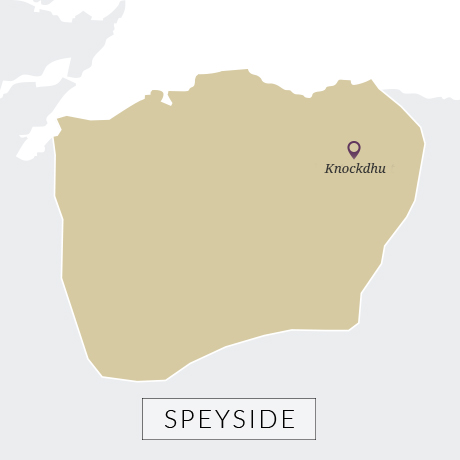
The retention of Knockdhu’s two originally-designed pot stills means Ancnoc’s signature fruity, citric and honeyed flavour is very similar in style to the whisky produced by the distillery more than 100 years ago.Map

Ancnoc is matured in a mixture of ex-Bourbon and Sherry casks, while the final whisky is free of chill filtration and added colour, lending weight to the malt’s light fruitiness.

History

The Ancnoc brand came into existence just a few short years after Inver House Distillers bought Knockdhu distillery from United Distillers in 1988.

Having brought the distillery out of mothballs in the February following its purchase, Inver House set about establishing a brand for its first Scotch whisky plant. It was felt, by the owner, that the distillery name was too confusingly similar to Speyside distillery Knockando, and so Ancnoc [meaning black hill] was chosen as the brand to represent its single malt.

The first official bottling of Ancnoc was released in 1993, although the brand never really took off until 2003 when it was relaunched with a 12-year-old bottling as its flagship. In the years that followed a series of vintages and age statements were released, and by 2013 the core range consisted of the 12-year-old alongside a 16, 18, 22 and 35-year-old.

A number of expressions appeared as part of the Peter Arkle collection – a collaboration with the renowned illustrator who designed the packaging – which was launched as a limited edition range in 2012.

While Knockdhu’s malt is renowned for its light, fruity style, the distillery has been producing a small amount of peated spirit for several years, which was finally released as part of a new collection in 2014. The peaty range comprises of Rutter, Flaughter, Tushkar and Cutter, all of which are named after peat-cutting tools and have been matured in ex-Bourbon casks for between eight and 12 years. Ancnoc notes the phenol content of all four, which ranges between 11 and 20ppm, based on the new make itself rather than in the barley.


anCnoc Peatheart Batch 2 | Edinburgh Whisky BlogTasting Notes

Nose: Mango, Mint leaf, Roasted meat, Charred oak
Taste: Pineapple, Runny caramel. Juicy gummy bears
Finish: Bonfire, Straw, Spicy and sweet smoke

Purchase Links

BC Liquor

Legacy Liquor (Peat heart 1)